


Early Signs and Symptoms of Keratoconus You Shouldn’t Ignore
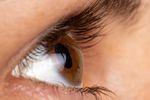
Vision changes often happen slowly. You might notice that you are squinting more, especially at night. Maybe things do not look as sharp as they once did. It is easy to assume that a new pair of glasses will fix the issue. In many cases, that is true. But sometimes, these small changes point to something else: keratoconus.
Keratoconus is a condition that affects the cornea, the clear front part of your eye. Normally, the cornea is smooth and rounded. In keratoconus, it slowly gets thinner and starts to bulge outward, losing its usual shape. This change affects how light enters your eye and can cause lasting vision problems.
What makes keratoconus difficult to spot early is that the symptoms can seem normal at first. Many people mistake the early signs for everyday vision changes.
When Vision No Longer Feels Sharp
One of the earliest signs is a general loss of sharpness. Vision may feel blurry even with glasses or contact lenses. Straight lines, such as door frames or text on a screen, may appear slightly bent or uneven.
New prescriptions may help at first, but the improvement does not last. Over time, focusing on text or small details can take more effort than before. These changes often feel subtle, but there is usually a sense that something is not quite right.
Sensitivity to Light and Glare
Bright sunlight may feel uncomfortable. Indoor lighting may seem harsher than usual. At night, headlights and streetlights can cause glare or appear to form halos.
These effects occur because the uneven cornea scatters light rather than allowing it to pass through cleanly. Night driving often becomes more difficult and tiring as a result.
Frequent Changes in Vision Correction
Frequent need for glasses or contact lens replacements can also be a sign. Vision typically changes slowly over time. When prescriptions change frequently or stop providing clear results, it may indicate that the cornea is changing shape.
This can be frustrating, especially when new lenses still do not fully correct vision.
Difficulty Seeing at Night
Night vision problems often develop alongside glare and light sensitivity. Familiar roads may appear fuzzy. Lights may streak or blur. These issues tend to build gradually, which makes them easy to overlook at first.
Over time, low-light situations can become more challenging and uncomfortable.
Eye Irritation and Rubbing
Some people experience frequent eye irritation or itching. This can lead to habitual eye rubbing, sometimes without realizing it. While eye rubbing does not cause keratoconus in every case, it has been linked to the condition in some individuals.
When irritation appears along with vision changes, it is worth paying attention.
Signs That Should Not Be Ignored
Several symptoms appearing together may signal the need for an eye exam:
- Blurry or distorted vision that glasses do not fully correct
- Increased glare or sensitivity to light
- Vision prescriptions changing more often than expected
- Trouble seeing clearly at night
- One eye seeing worse than the other
What to Do If These Changes Sound Familiar
If these signs feel familiar, scheduling an eye exam is an important next step. Detecting keratoconus early can help slow its progression and protect vision over time.
For more on the signs and symptoms of keratoconus, visit Refined Eyecare Optometry at our Torrance, California office. Call (310) 214-0409 to book an appointment today.


MAP
© 2025 Refined Eyecare Optometry. All Rights Reserved. Accessibility Statement - Privacy Policy - Sitemap
Powered by: 